
Insuring a Collector or Specialty Car in Texas: What Every Owner Needs to Know
Quick Answer: Standard auto insurance in Texas is not designed for collector or specialty vehicles. These cars require agreed value or stated value coverage, mileage-based policies, and specialized carrier programs that protect their true worth — not just their depreciated market value. Without the right policy, a total loss could cost you tens of thousands of dollars.
Why This Matters for Texas Car Enthusiasts
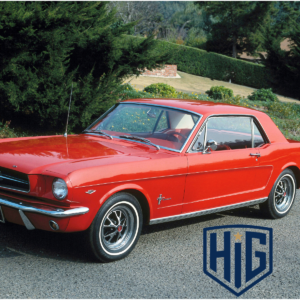 Texas is serious car country. From Fort Bend County to the Hill Country, weekend drives in a classic muscle car, a restored pickup, a kit car, or a limited-edition sports car are part of the culture. What most collectors do not realize until it is too late is that the same standard auto policy protecting their daily commuter vehicle is not built to handle what their prized car is actually worth.
Standard personal auto insurance uses Actual Cash Value (ACV) to calculate a payout in the event of a total loss. ACV subtracts depreciation from the original value. For a 1969 Camaro RS/SS that has appreciated to $80,000, an ACV payout might be a fraction of that number, because the insurer is not calculating appreciation. They are calculating what an average vehicle of that year and model would command on a depreciated scale.
That gap between what you would receive and what you actually lost is the entire problem. And it is completely avoidable with the right policy structure.
What Counts as a Collector or Specialty Vehicle in Texas?
The definition matters, because it determines which insurance programs apply to your vehicle. Most specialty carriers and standard insurers with specialty programs use the following classifications:
- Classic or antique cars: Typically 25 years or older, maintained in original or restored condition, not used for daily transportation
- Muscle cars and vintage American iron: High-value vehicles from the 1950s through 1970s, including Mustangs, Camaros, Chargers, and GTOs
- Exotic and supercar: Ferrari, Lamborghini, McLaren, Porsche 911 variants, and similar vehicles with market values above $100,000
- Limited production vehicles: Low-production-run modern vehicles, including certain Shelby editions, Ford GT, and specialty trim lines
- Custom or modified vehicles: Vehicles with significant aftermarket modifications, custom fabrication, or restomod builds
- Kit cars and replica vehicles: Factory Five, Backdraft Racing, and similar assembled vehicles built from components
- Vintage trucks and SUVs: Pre-1980 pickup trucks, Broncos, Blazers, and similar restored or original-condition trucks
If your vehicle falls into any of these categories and is currently covered under a standard personal auto policy, there is a meaningful chance your coverage is not adequate for your actual exposure. The specialty and other vehicle insurance options available through Hayslip Insurance Group are specifically structured to close those gaps.
The Core Problem: How Standard Policies Undervalue Collector Cars
When you insure a 2022 Honda Accord under a standard auto policy, the ACV approach makes sense. The car depreciates every year, and a total-loss payout that reflects that depreciation is fair and accurate.
Collector cars do not work that way. A 1970 Plymouth ‘Cuda with a 426 Hemi does not depreciate — it appreciates, sometimes dramatically year over year. A well-documented, frame-off restored example might have been worth $200,000 five years ago and $350,000 today. A standard ACV policy does not account for that trajectory. It calculates what an average 1970 Plymouth Barracuda would fetch at a dealer trade-in, not what a collector-grade, numbers-matching example actually commands at Barrett-Jackson.
This same problem applies to exotic cars with high parts costs, kit cars where the labor investment alone dwarfs the parts cost, and modified vehicles where aftermarket components add thousands in value that standard policies routinely exclude.
Agreed Value vs. Stated Value: Understanding the Critical Difference
These two terms sound similar. They are not, and choosing the wrong one could cost you a significant amount of money in a claim.
Agreed Value Coverage
With agreed value coverage, you and the insurance carrier agree on the vehicle’s value upfront, typically supported by an appraisal. If the car is declared a total loss, you receive that full agreed amount, with no depreciation deducted and no negotiation required. This is the gold standard for collector car insurance.
- Full agreed amount paid on total loss, guaranteed
- No depreciation deduction at claim time
- Value is locked in for the policy period
- Appraisals are typically required at policy inception and periodically reviewed
Stated Value Coverage
Stated value policies allow you to declare a value for your vehicle, but they pay the lesser of the stated value or the ACV at the time of the loss. This is where collectors get surprised. You might list a stated value of $60,000, but if the insurer’s ACV calculation comes in at $40,000, that is what you receive.
- You declare a value, but payout is not guaranteed at that amount
- Depreciation still applies at claim time
- Less expensive than agreed value coverage, but meaningfully less protective
- Often found in standard auto policies marketed to collectors as an add-on
For most serious collectors, agreed value coverage is the correct choice. The premium difference is almost always worth the certainty a guaranteed payout provides. An experienced agent can walk you through which structure fits your specific vehicle and situation — something the team at Hayslip Insurance Group handles for Texas collectors regularly.
What Specialty Collector Car Policies Cover That Standard Policies Miss
Beyond the valuation method, specialty collector car policies address a range of scenarios that standard auto insurance simply was not designed to handle:
- Spare parts and tools: A collection of period-correct spare parts stored in your garage can be insured under many specialty policies — standard auto insurance covers none of that
- Automotive memorabilia: Original dealer signage, promotional items, and related collectibles attached to the vehicle can be included in some programs
- Trailer coverage during transport: Moving a collector car to a show on a trailer involves its own set of risks; specialty policies can cover the vehicle during loading, transport, and unloading
- Car show coverage: Liability while participating in or attending car shows, events, and track days in a non-competitive capacity
- Restoration coverage: Some programs insure vehicles while they are undergoing restoration, even if they are not driveable
- Inflation guard provisions: Automatic value increases tied to collector market indexes, so a rising market does not leave you underinsured between renewals
The Mileage Question: Why Usage Restrictions Matter and When They Don’t
Collector car policies typically come with mileage limitations, and this is where many applicants get tripped up. Most specialty programs are built around the assumption that a collector vehicle is not used for daily transportation. Common annual mileage caps range from 1,000 to 7,500 miles, depending on the carrier and program.
What this means in practice:
- You cannot use a collector policy as a substitute for regular personal auto insurance on a vehicle you drive to work every day
- Driving to shows, storage facilities, maintenance shops, and occasional pleasure drives typically qualify under most programs
- Some carriers offer higher-mileage programs for enthusiasts who want more flexibility, often at a corresponding premium adjustment
- Classic car rallies and organized tours are covered under many specialty programs, but you should confirm with your agent before registering
This restriction is actually what keeps collector car premiums reasonable. The lower mileage exposure means lower frequency of claims, which translates to favorable rates compared to standard auto insurance — sometimes dramatically so, despite the higher vehicle values involved.
Common Mistakes Collector Car Owners Make with Insurance
These are the situations that end with collectors receiving far less than their vehicle is worth, or finding out their coverage does not apply at all:
- Insuring under a standard policy because it is easier: The path of least resistance leads directly to underinsurance. Standard auto policies are not designed for appreciating assets
- Not getting a professional appraisal: Without a documented appraisal from a recognized appraiser, establishing agreed value is difficult, and your negotiating position in a claim is weak
- Ignoring modifications: Aftermarket wheels, suspension upgrades, period-correct restorations, and engine rebuilds add value that must be documented and declared to be covered
- Letting coverage lapse during restoration: A vehicle in a shop or on jack stands in a garage is still exposed to fire, theft, and physical damage risks
- Assuming a homeowners policy covers garage-kept vehicles: Standard homeowners policies explicitly exclude motorized vehicles from personal property coverage in almost all circumstances
- Not reviewing agreed value annually: A rising collector market means last year’s agreed value may be meaningfully below current market. Skipping annual reviews leaves money on the table
Collector Car Insurance vs. Standard Auto Insurance: Side by Side
| Feature | Standard Auto Insurance | Collector Car Insurance |
|---|---|---|
| Valuation method | Actual Cash Value (depreciated) | Agreed Value (no depreciation) |
| Appreciation coverage | Not covered | Built into agreed value structure |
| Spare parts | Not covered | Available as add-on |
| Transport/trailer | Limited or excluded | Available in most programs |
| Show participation | Not addressed | Often included |
| Restoration coverage | Not available | Available with select carriers |
| Premium relative to value | Higher per dollar of value | Lower per dollar of value |
| Mileage flexibility | Unlimited | Annual cap applies |
How to Prepare Your Collector Car for the Insurance Process
Getting the right policy is much easier when you come to the conversation prepared. Before reaching out to an agent, gather the following:
- Vehicle documentation: Title, VIN, original build sheet if available, any Marti Reports or Protect-A-VIN documentation for American muscle
- Professional appraisal: From a recognized appraiser or service such as Hagerty Valuation Tools, Classic Car Appraisers, or a marque-specific appraiser
- Photo documentation: Comprehensive photos of the vehicle’s current condition, inside and out, including engine bay and undercarriage
- Modification list: A written inventory of aftermarket parts, restoration work, and upgrades with estimated costs or receipts where available
- Intended use statement: An honest description of how often and where you plan to drive the vehicle annually
- Storage conditions: Insurers will want to know whether the vehicle is garaged, climate-controlled, secured, and how it is protected from theft
Why Choose Hayslip Insurance Group for Your Collector Car Coverage
Finding the right specialty car coverage in Texas is not a task for a call center or an online quote tool. It takes an agent who understands the collector market, knows which carriers offer genuine agreed value programs, and can match your vehicle and usage to the right program without leaving gaps.
- Experience with specialty and non-standard vehicles: Hayslip Insurance Group works with a range of carriers specifically because different vehicles require different programs. A kit car, an exotic, and a vintage truck each need different approaches, and the team has experience navigating all of them
- Access to multiple carriers: As an independent agency, Hayslip is not locked into one carrier’s program. When one carrier’s specialty program does not fit, there are others to evaluate — something a captive agent simply cannot offer
- Local knowledge, local service: Serving Katy, Fulshear, Sugar Land, and surrounding Fort Bend County communities means understanding the local car culture, storage conditions, and event environment that shapes how collectors use their vehicles in this region
- Bundling options for complete coverage: Many collectors also have significant personal property, tools, and automotive equipment. Pairing specialty auto coverage with a personal umbrella policy or scheduled personal property coverage creates a complete protection picture that no single policy can provide on its own
Whether you drive a numbers-matching first-gen Mustang or a custom restomod that has never seen a stock part, the right coverage exists. The question is whether you have it. Request a specialty vehicle quote and find out where you actually stand.
Frequently Asked Questions: Collector and Specialty Car Insurance in Texas
Can I insure a car I am currently restoring?
Yes, several specialty carriers offer coverage for vehicles under active restoration, even if the car is not driveable. Coverage typically addresses fire, theft, and physical damage while the vehicle is at a shop or in your garage. The key is disclosing the restoration status to your agent at the time of application, as a standard policy will almost certainly exclude an unregistered, non-operational vehicle.
Does my collector car need a separate policy from my regular auto insurance?
In most cases, yes. Collector car insurance programs are separate products from standard personal auto insurance, offered by specialty carriers or specialty divisions of larger carriers. Some standard insurers allow you to add a classic car endorsement, but these rarely provide the agreed value protection and specialty coverages that a dedicated collector policy includes. An independent agent can evaluate both options side by side for your specific vehicle.
What happens if my car is stolen at a car show?
Under a properly structured collector car policy with agreed value coverage, a theft at a car show is handled the same as any other total loss — you receive the full agreed value. Some policies also extend coverage to personal items inside the vehicle at the time of theft, though this varies by carrier. Standard auto policies with ACV valuation would pay the depreciated market value, which may be substantially less than what your vehicle is actually worth.
How often should I update my agreed value?
At minimum, you should review agreed value annually at renewal. In a rising collector market, values can move meaningfully from year to year. If you have made significant improvements to the vehicle — a complete respray, mechanical restoration, or interior refresh — those should trigger an immediate appraisal update, not a wait until renewal. Being underinsured by even 20% on a high-value vehicle is a large real-dollar exposure that is easy to avoid with a current appraisal.
Are custom modifications automatically covered under a collector car policy?
Not automatically. Modifications must be disclosed and declared at the time of policy inception or when they are added. Undisclosed modifications are one of the most common reasons collector car claims are disputed. Keep a running log of all work performed, including parts costs and labor estimates, and update your agent whenever you make a significant change to the vehicle.